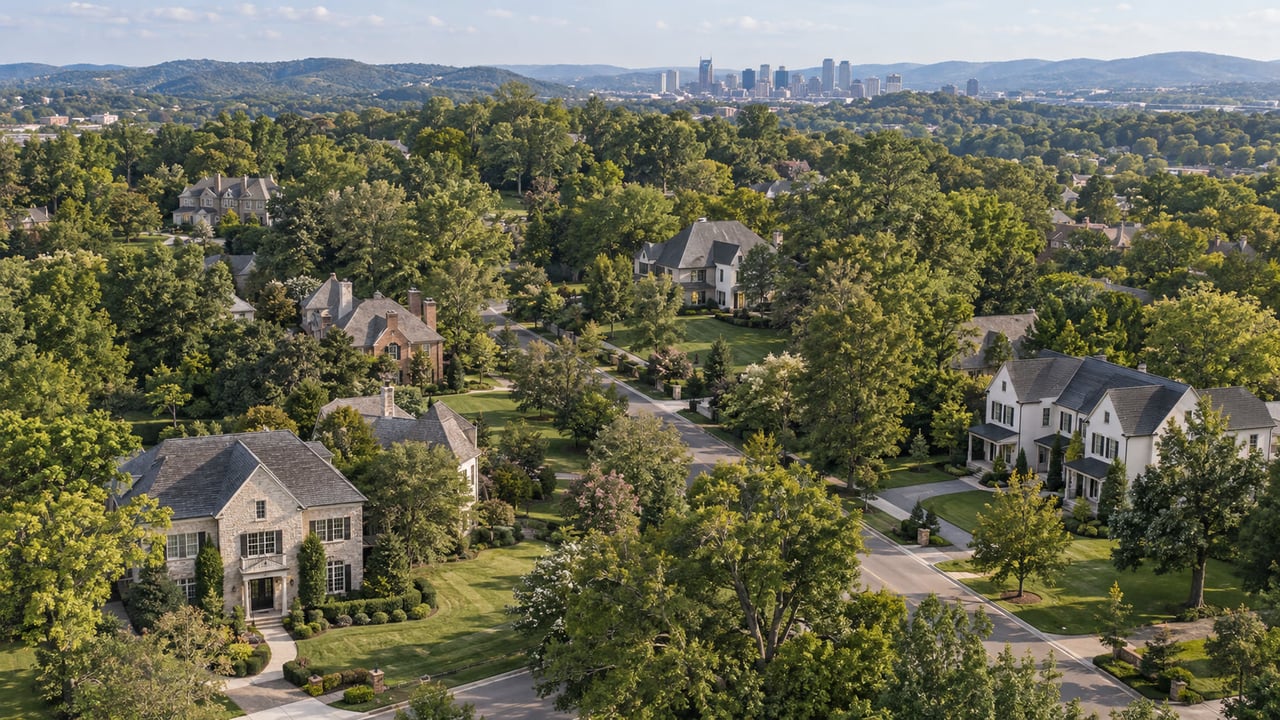
RS20 vs. R20 in Green Hills: Why One Letter Matters
Green Hills Real Estate Michael Sanford September 29, 2026
Green Hills Real Estate Michael Sanford September 29, 2026
In Nashville zoning, the difference between RS20 and R20 is not cosmetic.
Both classifications require at least 20,000 square feet of land. RS20 is intended for single-family dwellings only. R20 allows single-family or two-family use.
A recent Green Hills zoning case shows why buyers and sellers should understand that distinction before assigning value to a teardown or redevelopment property.
On September 10, 2026, the Metro Planning Commission voted 8–0 to recommend rezoning 3817 Abbott Martin Road from RS20 to R20.
The property is a 0.90-acre corner lot at Abbott Martin Road and Dorcas Drive. Metro Planning reported that it had been zoned RS20 since 2002 and contained one house at the time of its review. Metro Planning Commission staff report
Under RS20 zoning, staff calculated that the acreage could accommodate a maximum of one single-family lot. Under the proposed R20 zoning, it could accommodate one two-family lot. September 10 action agenda
The Planning Commission’s recommendation was an important step, but it was not final zoning approval. Metro Council makes the final decision after considering a zoning ordinance through its legislative process. Buyers should confirm the current status before relying on a pending request. Metro’s rezoning process
Metro’s zoning classifications establish the basic difference:
The “S” identifies a single-family-only residential district. An R district without the S permits one-family and two-family residential use, subject to applicable development standards. Metro Nashville zoning classifications
The number identifies the minimum lot size. It does not represent the number of homes or units permitted per acre.
R20 does not mean 20 units per acre. It means a minimum lot area of 20,000 square feet within a district that allows single-family and two-family use.
This is where property marketing can become misleading.
The Abbott Martin parcel contains approximately 39,204 square feet based on its reported 0.90-acre size. Two conventional R20 lots would ordinarily require at least 40,000 square feet before considering frontage, setbacks, utilities, access or other requirements.
Metro staff concluded that the requested R20 zoning could permit one two-family lot but would not allow the parcel to be divided into two separate R20 lots. Staff viewed the inability to subdivide as one reason the request would retain the established lot pattern. Metro staff analysis for Case 2026Z-069PR-001
The distinction matters:
Those are not interchangeable claims.
The ownership, financing and future sale of a two-family development can also depend on how the project is designed and legally structured. Buyers should not assume the units can automatically be built as detached homes, separately financed or separately sold.
Planning staff did not base its recommendation on acreage alone.
The report identified several property-specific considerations:
Staff also noted that the corner location provides placement and access options that a typical interior lot may not have.
The vote should not be interpreted as a general determination that every large RS20 lot in Green Hills is suitable for R20. The recommendation was based on the circumstances of this particular parcel.
Even if a property permits two-family use, the zoning classification is only the beginning of the feasibility analysis.
A buyer may still need to investigate:
Metro explains that zoning determines permitted uses and basic development standards. A proposal must still complete the applicable construction, permitting and development reviews. Metro zoning-code guidance
A zoning designation should be treated as the beginning of the analysis, not its conclusion.
Confirm the zoning through Metro records. Do not rely solely on an MLS description, tax record or what was constructed next door.
Determine whether a rezoning request has been filed, recommended by Planning or finally enacted by Metro Council.
A favorable Planning Commission vote is meaningful, but it is not final approval.
Ask separate questions:
A preliminary concept should show the buildings, garages, driveway, parking, drainage areas and major outdoor improvements. Lot area alone does not establish that everything will fit.
The offer should provide enough time for appropriate zoning, survey, title, engineering and construction review. Any specialized contingency language should come from the buyer’s attorney.
Additional development potential can influence land value, but it needs to be described accurately.
There is a substantial difference between:
Marketing a property as “approved for two homes” before the necessary approvals are established can create appraisal, inspection and disclosure problems.
A better approach is to identify the current zoning, provide the relevant public documents and require the buyer to complete an independent feasibility review.
The Abbott Martin case is a useful reminder that one letter in Nashville zoning can materially affect permitted use.
RS20 and R20 have the same minimum lot size, but they do not provide the same residential options.
For buyers, the important question is not simply:
How large is the lot?
It is:
What does the zoning permit, which approvals remain outstanding, and can the proposed plan actually be built on this property?
For sellers, development potential should be documented before it is priced or advertised.
That is the difference between selling acreage and selling a supportable land-use opportunity.
RS20 is a single-family residential classification requiring a minimum lot size of 20,000 square feet. It is intended for single-family dwellings only.
R20 requires a minimum 20,000-square-foot lot and permits single-family or two-family residential use, subject to other applicable development requirements.
Not automatically. The property must contain sufficient land, frontage and other required characteristics. A property may support two-family use on one lot without qualifying for two separate lots.
No. The Planning Commission recommended approval on September 10, 2026. That recommendation did not, by itself, change the property’s zoning. Metro Council controls final legislative approval.
Confirm current and pending zoning, obtain an appropriate survey, review easements and overlays, evaluate utilities and stormwater, and have the proposed site plan reviewed during the due-diligence period.
Stay up to date on the latest real estate trends.
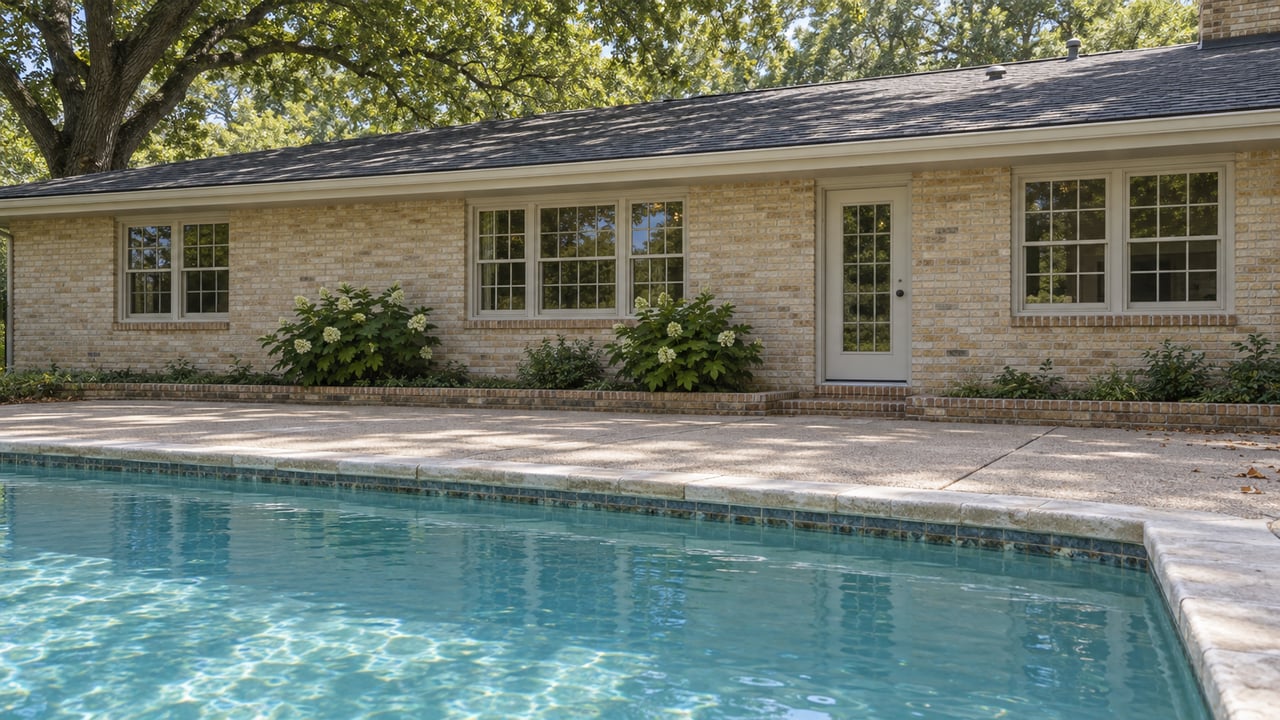
Green Hills Real Estate
Both districts require the same minimum lot size, but they do not permit the same residential uses or create the same development potential.
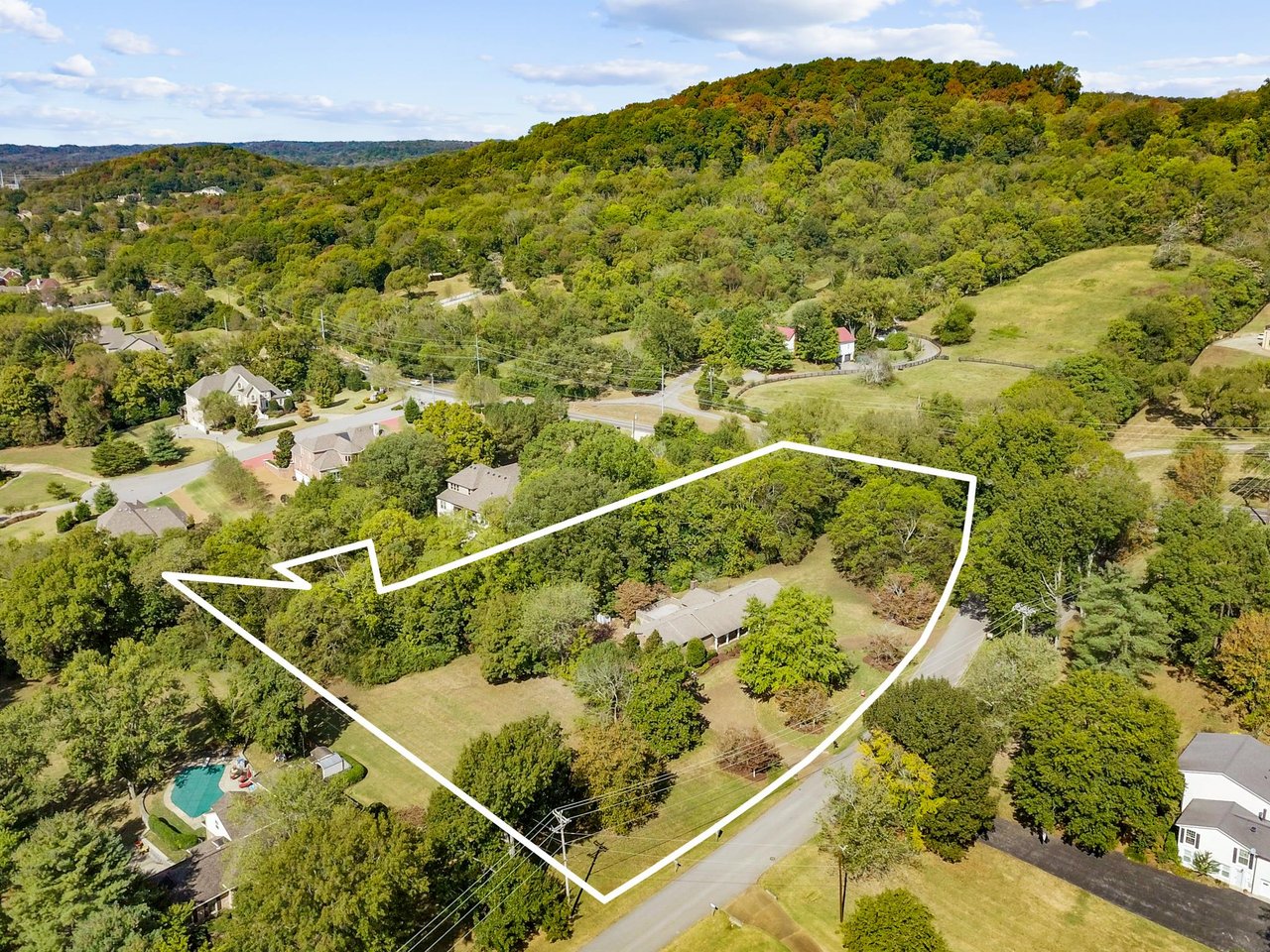
Brentwood Real Estate
Acreage alone no longer determines what a Brentwood lot can support once green space, setbacks, easements and the full construction plan are considered.
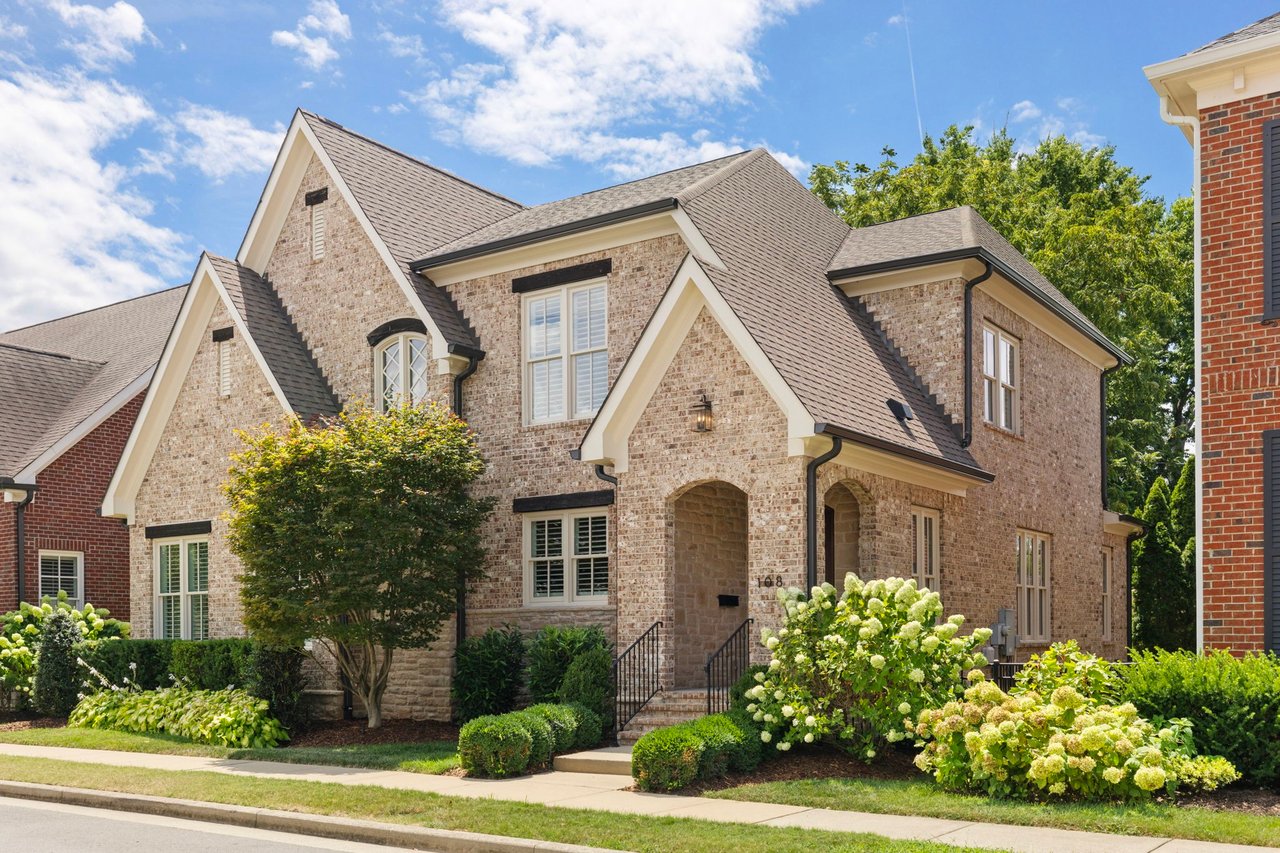
Nashville Market Updates
August brought fewer closings, more inventory and longer market times, even as the median sale price rose.
Michael Sanford is a Nashville native and luxury real estate advisor with Compass, serving buyers and sellers in the $750K to $4M+ residential market. Local expertise from your first call to closing day. Get in touch with Michael Sanford for buying or selling a home in Nashville, TN. Reach out to get started today. Expect a quick response and help with questions.