Is the Nashville Housing Market Slowing for Buyers and Sellers?
Nashville Market Updates Michael Sanford September 17, 2026
Nashville Market Updates Michael Sanford September 17, 2026
Nashville’s residential median sale price increased in August, even as fewer properties closed, inventory grew and homes took longer to sell.
The correct interpretation is not that every Nashville home appreciated. It is that the regional market remains segmented—and sellers need to price from current, directly competing properties rather than apply a metro-wide percentage to their home.
Greater Nashville REALTORS reported the following August 2026 figures:
That represents approximately 5.3% fewer closings, 4.5% more inventory and a 2.1% increase in the residential median price. The condominium median declined approximately 3.8%. Greater Nashville REALTORS’ August 2026 market data.
Those numbers are not inherently inconsistent. They simply measure different parts of the market.
The median is the midpoint of the homes sold during a particular period: half sold for more and half sold for less. It is less vulnerable than an average to being distorted by a few unusually expensive sales, but it still depends on the mix of properties that closed. National Association of REALTORS’ explanation of median prices.
If August included a larger share of higher-priced transactions—or fewer closings at the lower end—the median could rise without the same home being worth 2.1% more than it was a year ago.
The reverse can also happen. More entry-level closings could pull the regional median lower even if values within a specific luxury neighborhood remained stable.
That is why the following statement would be unsupported:
Nashville’s median increased 2.1%, so my house gained 2.1%.
The August report does not establish that. It describes the middle transaction across a broad market, not the change in value of a particular property.
The more revealing August combination was fewer closings, more inventory and six additional days on market.
That does not establish that Nashville is universally a buyer’s market. It does indicate that sellers, collectively, are competing for a smaller number of completed transactions while buyers have more properties from which to choose. Greater Nashville REALTORS’ August data.
For a seller, that raises three practical questions:
The answers can be very different from the regional headline.
A well-positioned home with limited direct competition may still sell quickly. A property surrounded by similar active listings may need a more disciplined price, even if the regional median increased.
The Greater Nashville report is valuable for identifying broad direction. It is not a pricing model for an individual neighborhood.
A renovated home in Green Hills, an older property purchased for lot value in Belle Meade, new construction in West Nashville, a Brentwood estate and a Franklin subdivision home occupy different competitive sets.
Even within one ZIP code, combining all prices can hide the information a seller needs. The market at $900,000 may behave differently from the market above $2 million. New construction may carry incentives that do not appear as a reduction in the recorded sale price. Acreage, school zoning, renovation quality and site constraints can also produce substantial differences between apparently similar properties.
Countywide and regional statistics provide context. Pricing needs to happen at the property, neighborhood and price-tier level.
Before recommending a list price, I would want to examine:
Closed sales remain important, but they show decisions negotiated weeks or months earlier. Active and pending properties provide a more current picture of competition.
This is particularly important when inventory is rising. The seller is not competing only with what sold in June or July. The seller is competing with what a buyer can purchase today.
More inventory and longer market times can create useful opportunities for buyers. They may have more time to investigate a property, compare alternatives or negotiate terms.
But the regional figures do not guarantee leverage on every listing.
A properly priced home in a scarce category can still attract immediate attention. A property that has been sitting for 60 days may offer more negotiating room—but it may also have a condition, location or pricing problem that cannot be solved through a modest discount.
Buyers should distinguish between negotiating opportunity and underlying property risk.
The useful questions are:
Days on market is a signal to investigate, not an automatic discount formula.
August’s higher median price does not cancel out the decline in closings, growth in inventory or longer marketing time. All four figures can be true at once.
For sellers, the lesson is straightforward:
Do not price a home by adding the regional appreciation rate to last year’s estimate.
Price it against the alternatives buyers have now, then watch pending activity and showing response closely.
For buyers, broader inventory can improve choice and negotiating conditions, but leverage still depends on the specific property and its competition.
The Nashville market is no longer well described by one number. The property type, location, condition and price range determine which part of the market you are actually in.
The regional residential median price increased approximately 2.1% year over year. That does not prove every home—or any specific neighborhood—appreciated by the same amount.
The mix of closed sales can change. If a greater proportion of higher-priced homes closes, the median can rise even when the total number of transactions declines.
No. More inventory can improve buyer choice, but negotiating leverage depends on the property’s price, condition, location, time on market and available competition.
Not by itself. A listing price should be based primarily on directly comparable active, pending and recently closed properties, including reductions and relevant differences in condition and location.
Current competing inventory, pending sales, recent comparable closings, days to contract, price reductions, original-to-final pricing and seller concessions are more useful than a regional median alone.
Stay up to date on the latest real estate trends.
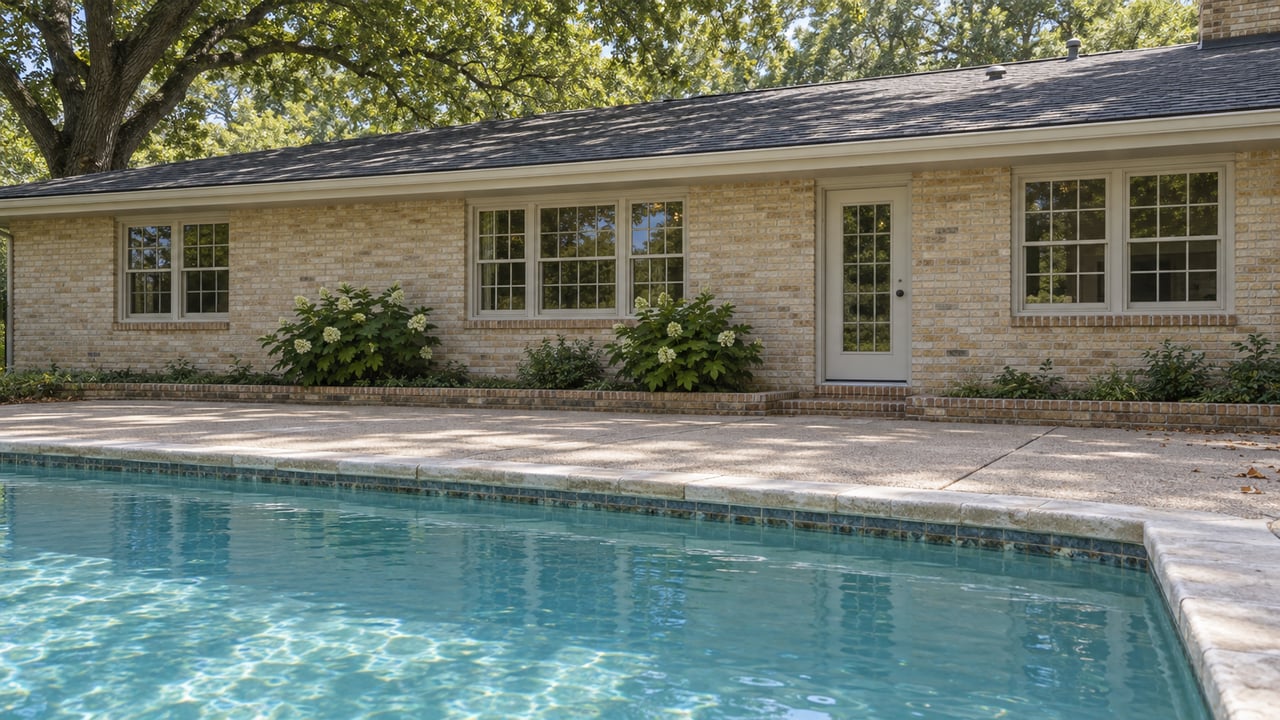
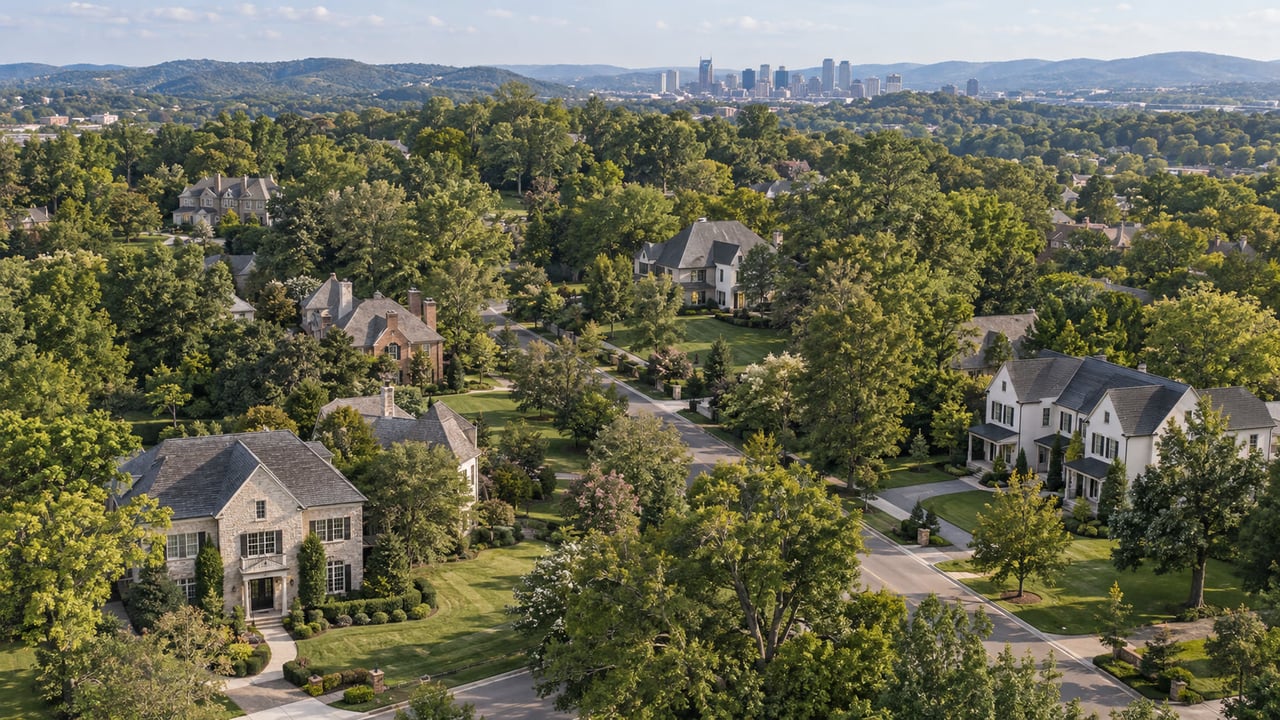
Green Hills Real Estate
Both districts require the same minimum lot size, but they do not permit the same residential uses or create the same development potential.
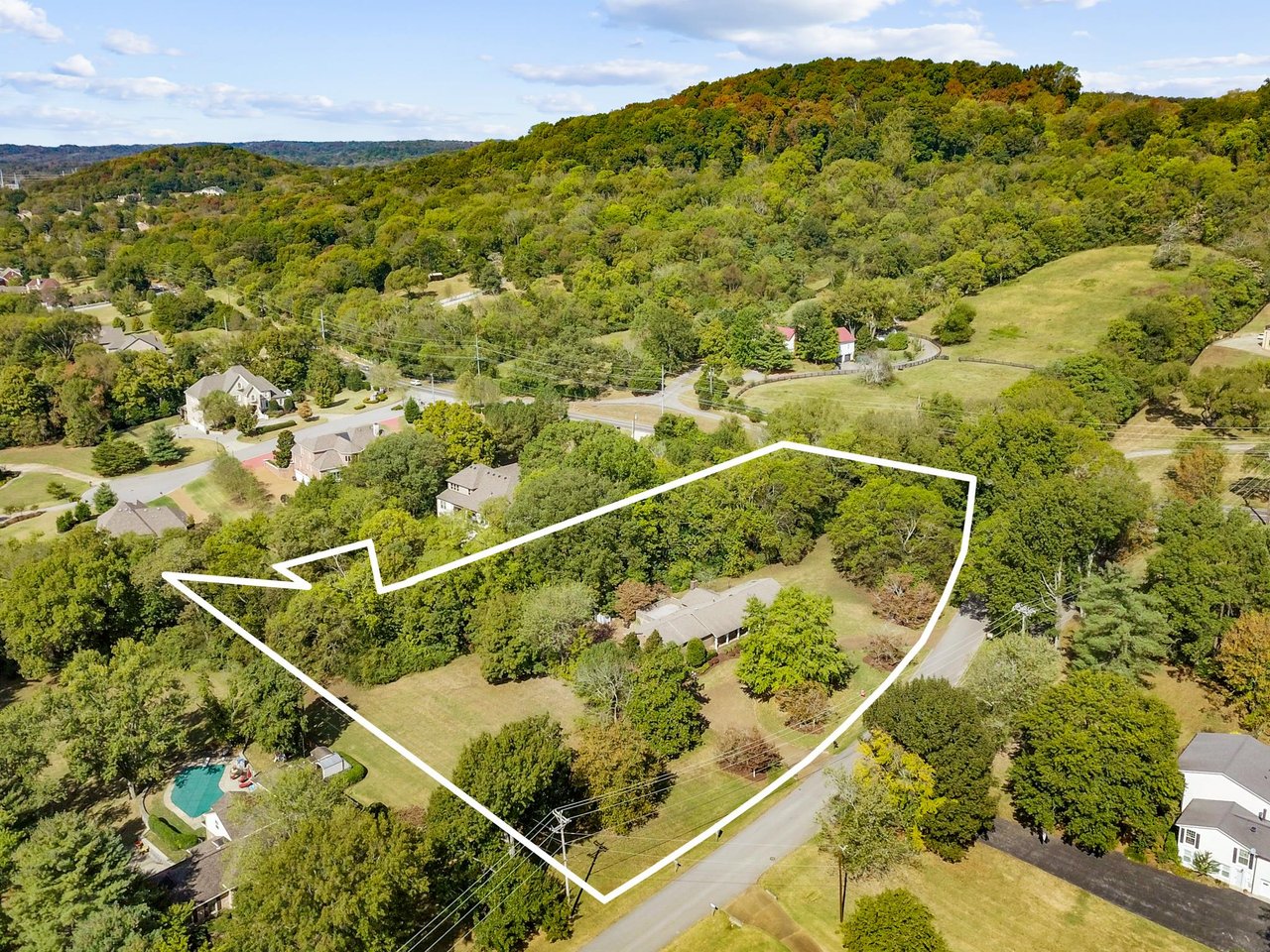
Brentwood Real Estate
Acreage alone no longer determines what a Brentwood lot can support once green space, setbacks, easements and the full construction plan are considered.
Nashville Market Updates
August brought fewer closings, more inventory and longer market times, even as the median sale price rose.
Michael Sanford is a Nashville native and luxury real estate advisor with Compass, serving buyers and sellers in the $750K to $4M+ residential market. Local expertise from your first call to closing day. Get in touch with Michael Sanford for buying or selling a home in Nashville, TN. Reach out to get started today. Expect a quick response and help with questions.